The Laws
We are GROUND ZERO for the 30-year building defects crisis in Victoria. Our building is living proof of the National Systemic Failure in the building industry.
Our building straddles the previous Building Control Act 1981 and the current Building Act 1993. SYS was one of the first buildings to have the Building Act 1993 apply to it and the result is evident.
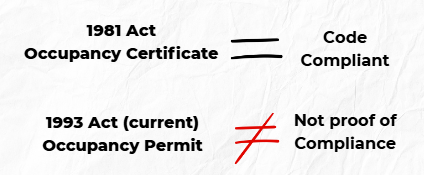
Research into South Yarra Square’s 4000+ page government archival paper trail and applicable laws have revealed:
- The Compliance Gap: How buildings started under one set of rules were allowed to bypass the National Construction Code (NCC) under the next.
- The Invisible Surveyor: Documents signed off without site inspections, protected by plausible deniability and granted a law creating legal immunity in the case of being sued for building defects down the track.
- The Occupancy Trap: An Occupancy Permit isn’t a safety certificate, it’s a countdown timer designed to limit your right to sue for building defects. It offers no protection despite being a requirement before you move in.
- Planned 10-year Obsolescence for Every Building: The Hidden Start – The countdown doesn’t start when you move in, it starts the moment a piece of paper (the Occupancy Permit) is signed. Section 134 of the 1993 Act states that the clock starts ticking whether or not the Occupancy Permit is subsequently cancelled or varied. It’s been labelled a “long stop” which means rights to sue, with some minor exceptions, ceases after 10 years thus creating buildings that have less warranty than your fridge and are designed to fail after a decade. What is the expression? ‘As safe as houses’… perhaps not in Victoria – at least for buildings built in the last 25-30 years.

- What are the Required Elements for an Occupancy Permit to come into existence? There is very little law surrounding this legal question. Under contract law, if the essential elements are missing, the contract is “Legally Void” – I.e. it never existed thus Section 134 cannot apply.
For example, the Basic Elements could be:- The Occupancy Permit must be signed by the Relevant Building Surveyor
- It must be issued after the completion of the build
- The Plan of Subdivision must be correct
- It must be built in line with the Building Permit & approved Plans
- It must be as specified in the Planning Permit
- It must be safe for occupation
- Known defects rectified before issuing
It has been mused that an Occupancy Permit written in lipstick on a napkin before a building yet to be completed or safe for occupation could be declared valid under Section 134 – removing your rights to sue for building defects before you move in.
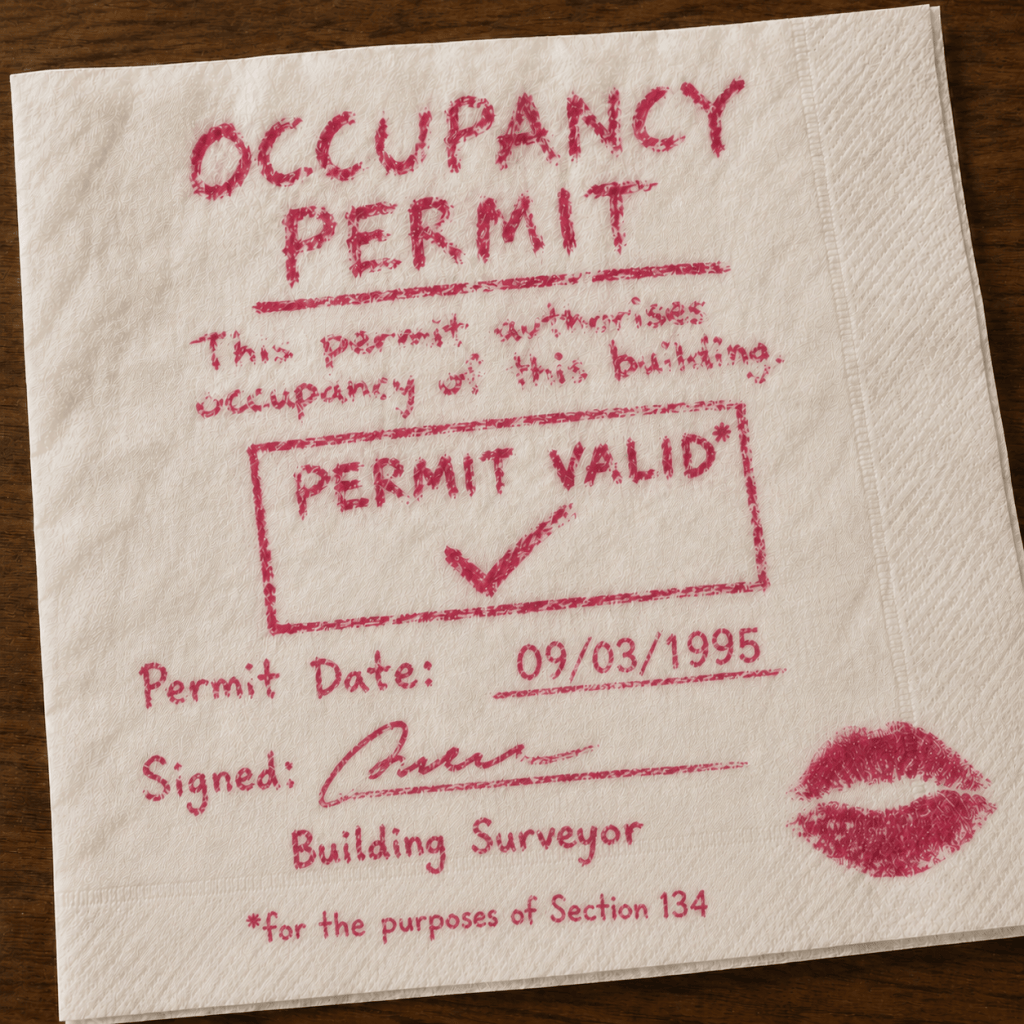
Does something seem off (and incredibly corrupt and unjust) with this interpretation?
Indeed, the functional operation sections 46, 128 and 134 of the Building Act 1993 seem inconsistent or in conflict with:
- The aims of constructing safer buildings to a minimum national standard
- The intergovernmental agreement between State & the Federal Government for the NCC
- The purpose/functionality of specific sections of the Building Act 1993 And;
- with the very Purpose of the Building Act 1993 itself.
There is definitely ambiguity there to be explored…Why is the building industry allowed to play by different rules?
The legal protection of ‘legal violability’ is an important legal safety mechanism that should not be so easily disregarded.
If an Occupancy Permit is created but the basic elements are missing, did the Occupancy Permit ever legally come into existance?
- The Logic: You cannot “cancel” a permit that was never legally formed.
- The Consequence: If the permit is legally void, then the Section 134 10-year limit has nothing to anchor to & does not apply.
- The Reality: The industry relies on you accepting the “Date” on the paper. We are challenging the “Existence” of the paper itself.
You can’t start a clock on a document that doesn’t exist..
The current system functions to protect less scrupulous developers/builders/surveyors and leaves the Owner to foot the bill.
The government has created a system ripe for organised crime to takeover. They have deregulated the industry and taken away the majority of oversite and pumped billions of dollars into it. Why is the government surprised by the environment they created? Corruption is not just limited to the big build, it is to the entire industry.
Affordable housing do not equal Safe Housing…
Where is our money going?
How corruption in Victoria’s building industry affects every single Victorian
If you pay taxes, rent a home, own an apartment, catch a train, drive on a road or hope to buy a property one day, it affects you.
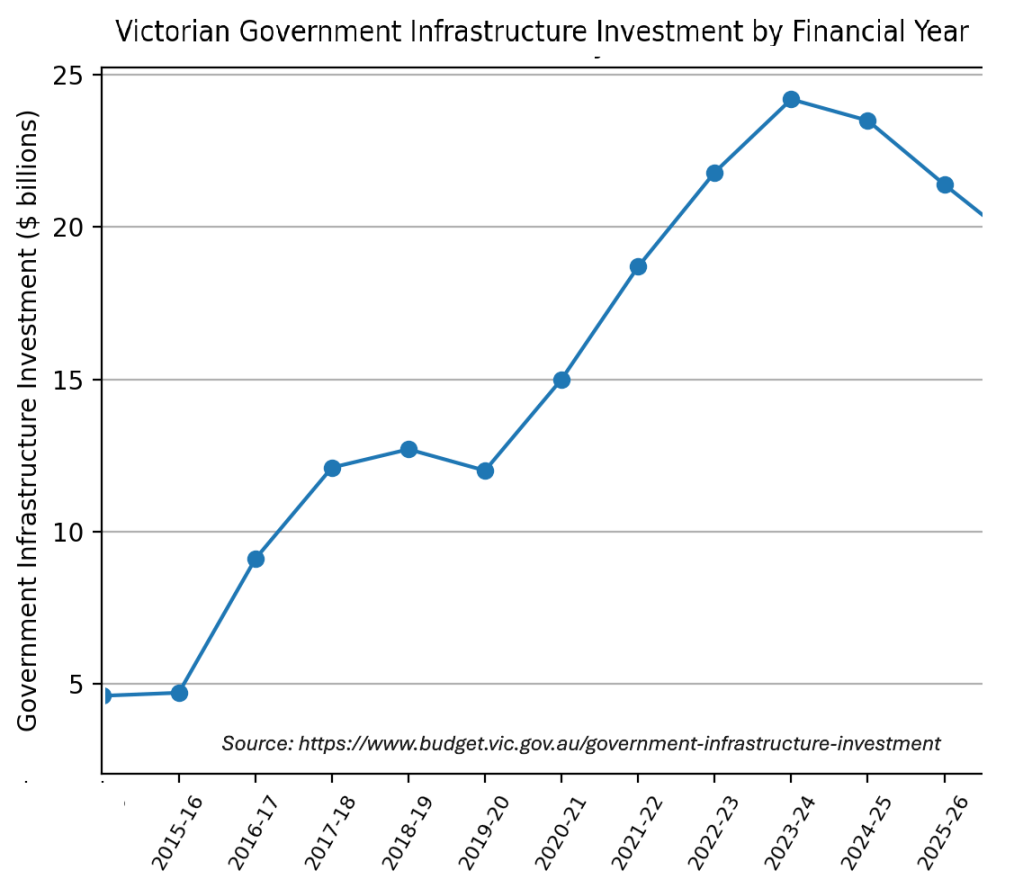
Victoria is in the middle of one of the biggest infrastructure programs in Australia’s history.
Every road, rail project, hospital and apartment tower is ultimately paid for by taxpayers or consumers.
Over the last decade, multiple investigations and reviews have identified allegations of:
- criminal infiltration and corruption of parts of the construction industry
- intimidation and threats
- organised crime involvement
- whistleblowers afraid to come forward
- fraud and unlawful conduct requiring police investigation.
These findings led to the construction division of the CFMEU being placed into administration and prompted government and independent reviews into the industry.
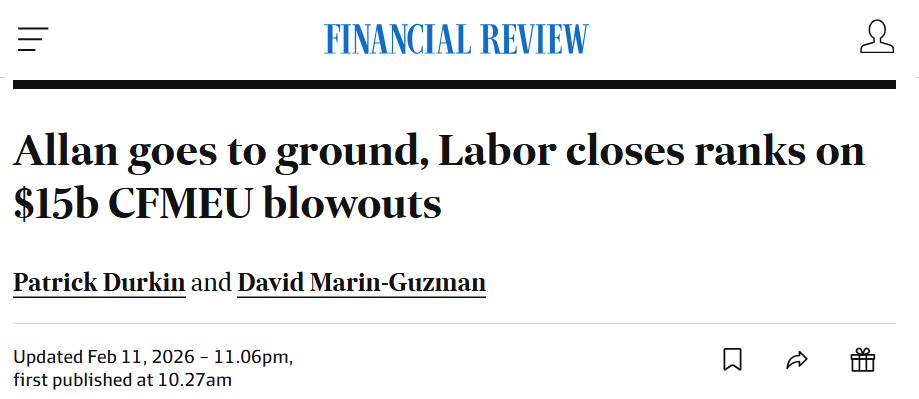
What does this mean for ordinary people?
Corruption, intimidation or unlawful conduct adds unnecessary costs, taxpayers money is going directly into organised crime.
It comes from:
- your income tax
- your GST
- your council rates
- higher government debt
- fewer hospitals, schools and services.
The hidden cost
Corruption creates an environment where organised crime can make enormous profits.
They can be used to fund:
- drug trafficking
- extortion
- money laundering
- violence
- other criminal enterprises.
The result is more crime in our suburbs and more pressure on police, courts and communities.
If billions of public dollars are being spent, shouldn’t every Victorian be confident that the money is building homes, hospitals and infrastructure – not enriching criminals or leaving families trapped in defective buildings?
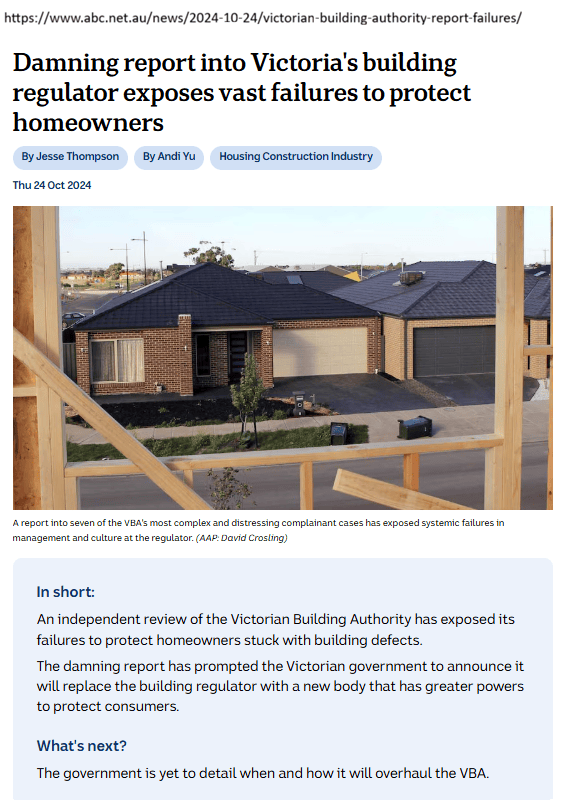
The graphs below suggest a strong correlation between rising crime rates and Big Build Expediture.
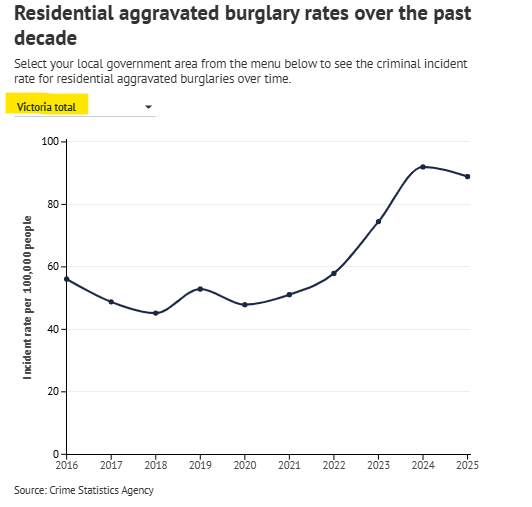
Help us break the cycle of defects and corruption in the building industry.
We want to hear from you –
How safe is your building?
Has this happened to you or your building?
Have you had to pay for significant building defect rectification works?
Have you been told you’re out of time to sue?
Have you seen crime rates increase in your area in the last decade?


